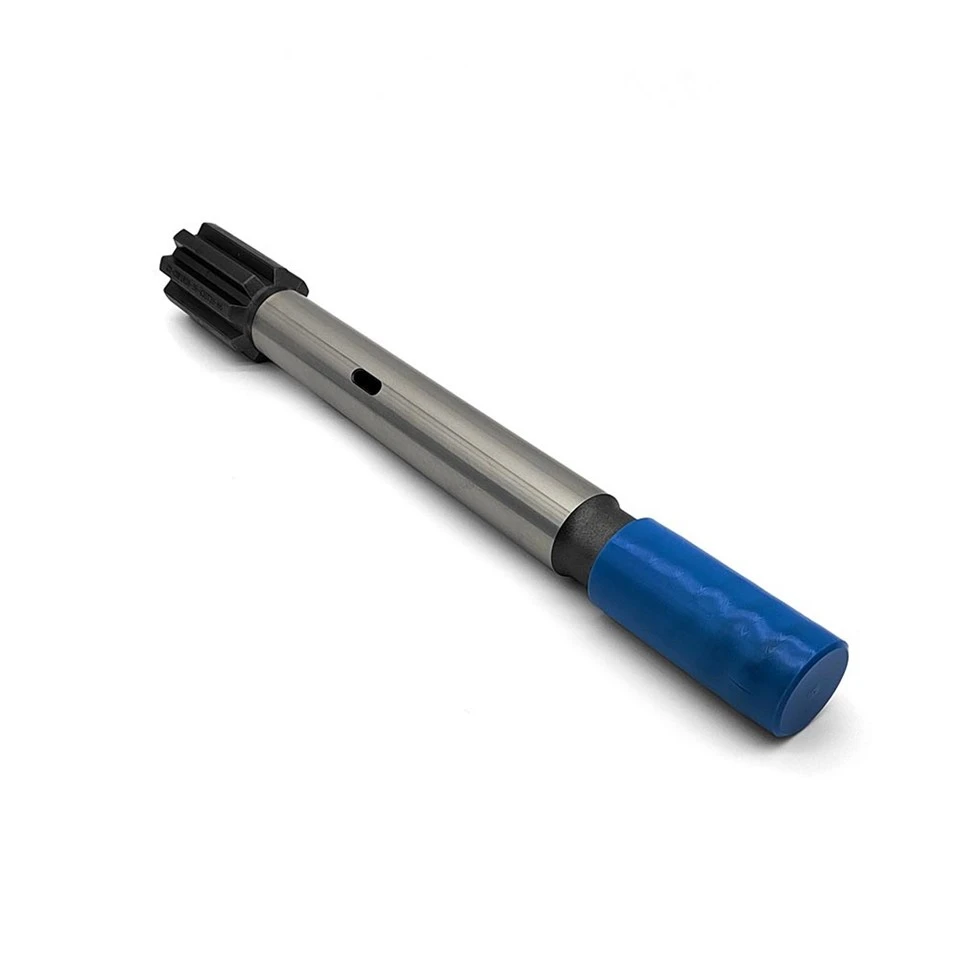
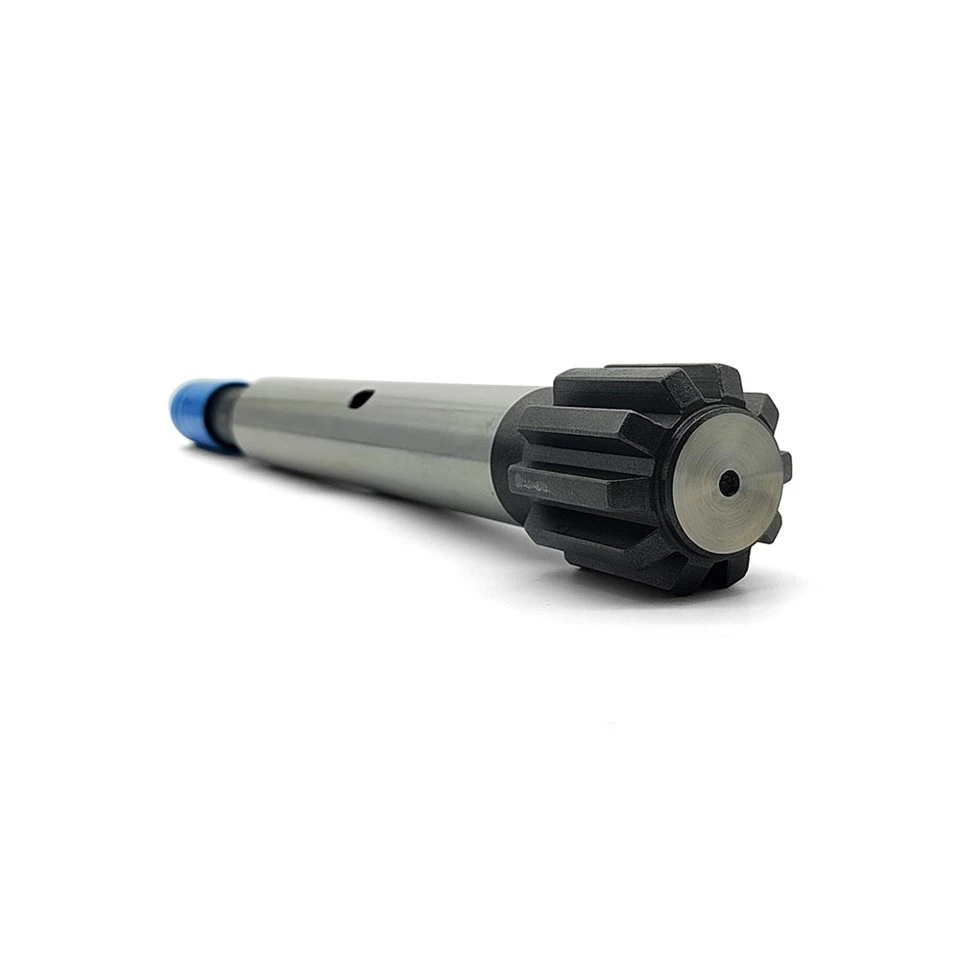
For operators using tophammer drilling tools, premature shank adapter failure is one of the most frustrating and costly headaches. A shank adapter serves as the critical interface between the rock drill piston and the drill string, transferring impact energy and rotational torque while allowing flushing media to clear rock cuttings. When it fails ahead of its expected service life, drilling stops immediately. Replacing the broken part wastes labor hours, delays blasting schedules, and may even damage expensive rock drill chucks, drill rods or bits. Many crews assume early breakage stems from poor raw material quality. In reality, failures often come from a mix of product defects, improper matching, and operational mistakes.
1. Incompatibility with Rock Drill and Thread Specifications
Mismatch is among the top reasons for early shank adapter damage. Shank adapters are engineered to fit specific rock drill models, spline profiles and thread standards such as T38, T45, T51, R32 and R38. Even if two adapters look visually similar, slight differences in spline geometry, thread pitch, striking face thickness or overall length will create misalignment during operation.
When the fit is not precise, impact force cannot transmit evenly. Stress concentrates on spline teeth and thread roots, leading to galling, wear or fatigue cracks. Some operators buy generic low-cost shank adapters just to cut procurement costs. These off-spec parts may run for a short time, but they gradually destroy the rock drill chuck. Always cross-verify the rock drill model and thread type before ordering tophammer drilling tools.
2. Poor Material and Improper Heat Treatment
Shank adapters endure repeated cyclic impact and torsion loads every second. High-grade units are forged from alloy steel like 42CrMo, with strict quenching and tempering processes. The treatment creates a hard surface to resist abrasion, while retaining inner toughness to absorb shock.
Heat treatment errors are common in cheap alternatives. Over-hardening makes the adapter brittle; under impact blows, it cracks suddenly. Insufficient hardness leads to fast spline and thread wear. If raw steel contains impurities or internal micro-cracks from forging, the component will fail much faster under harsh rock conditions. Reliable suppliers provide material certificates and quality inspection reports for bulk orders.
3. Incorrect Drilling Operation Parameters
Field operation habits heavily influence shank adapter lifespan. Excessive feed pressure is a frequent culprit. Too much feed force bends the drill string, creates side load on the shank adapter and amplifies stress on splines and threads. High impact pressure beyond the designed limit also accelerates fatigue damage.
Another common error is running the drill string with misaligned holes. In crooked boreholes, the drill string vibrates violently. Vibration adds extra alternating stress, which eventually develops into fatigue cracks on the shank adapter's striking face or spline section. Operators should monitor hole straightness and adjust feed and impact settings according to rock hardness.
4. Lack of Lubrication and Poor Maintenance
Thread lubrication is easy to overlook but vital for tophammer drilling tools. Without proper thread compound, metal-on-metal friction causes thread galling and seizure. Damaged threads cannot transfer torque smoothly, creating abnormal stress on the whole shank adapter.
Pre-shift inspection is also neglected on many job sites. Tiny cracks, spline wear and chipping on the striking face are early warning signs. If crews keep using a damaged shank adapter, small defects quickly expand under continuous percussion. Contaminants such as rock dust and grit trapped in splines or threads speed up abrasive wear. Clean thread surfaces and apply copper or molybdenum grease every time you connect drill rods.
5. Damaged or Worn Rock Drill Components
Problems are not always on the shank adapter itself. A worn piston, deformed chuck or faulty buffer system inside the rock drill will deliver uneven impact blows. The striking face of the shank adapter receives irregular shock loads, resulting in localized chipping and fatigue. Many operators replace shank adapters repeatedly without checking the rock drill condition, so failures keep recurring. Regular maintenance of rock drill internal parts can prevent this cycle of damage.
Final Thoughts
Premature shank adapter failure rarely has a single cause. It usually arises from incompatible parts, substandard manufacturing, wrong operating parameters, insufficient lubrication or worn rock drill accessories. Identifying the root cause before replacement can save you from repeated failures and high downtime costs.
For mining, quarry and tunneling teams, understanding these failure modes helps protect your full set of tophammer drilling tools. Select matched, well-manufactured shank adapters, follow correct drilling parameters and stick to daily inspection routines. If you need technical support or durable shank adapters for your drilling projects, reach out to our engineering team.